Why Do Some Baby Clothes Feel Scratchy? What Parents Should Know About Fabrics
May 12 2026 – Lottie & Lysh


Why Do Some Baby Clothes Feel Scratchy? What Parents Should Know About Fabrics
Some baby clothes feel soft from the moment you open them. Others feel stiff, rough, plasticky, or strangely scratchy against delicate skin. Here’s what actually causes that, what parents should look for, and why fabric choice matters more than many people realise.

There’s a particular kind of disappointment that happens when you open a parcel of baby clothes and they look lovely… but feel awful.
You know the sort. Cute print. Nice colours. Maybe even expensive. Then you touch it and immediately think, oh. Stiff seams. Rough fabric. That strange almost squeaky synthetic feeling some fabrics have. Sometimes the clothing softens after a few washes. Sometimes it doesn’t.
And when you’ve got a newborn, or a baby with eczema, sensitive skin, or sensory sensitivities, suddenly fabric texture stops being a tiny detail and starts feeling quite important.
I think a lot of parents notice this instinctively before they fully understand why it happens. You pick up one babygrow and it feels cosy and breathable. Another feels oddly crunchy straight out of the packaging. Babies can’t exactly explain discomfort, but they do spend nearly all day wrapped in fabric. Sleeping in it, sweating in it, chewing sleeves, rubbing cheeks against it.
That’s a lot of contact.
Looking for softer baby clothes?
If you’re already in that “I just want something that feels lovely on their skin” mindset, these are good places to start.
Why are some baby clothes scratchy?
There isn’t usually one single reason. It’s often a mix of fabric composition, chemical finishing processes, production speed, and cost cutting.
Mass-produced clothing, especially at the cheaper end of the market, is often made with priorities that have very little to do with how the garment feels after a full day of baby life. It needs to photograph well. It needs to survive shipping. It needs to hold colour. It needs to sit neatly on a hanger or in a warehouse box.
Softness against a baby’s neck at 2am is not always the priority. Which sounds a bit dramatic, but when you’re the one holding the baby, it suddenly feels less dramatic and more… obvious.
Some clothes feel scratchy because of the fibre itself. Others because of coatings, dyes, stiffening agents, raised seams, appliqué, printed surfaces, or synthetic blends that do not breathe especially well. Sometimes a fabric feels fine to an adult hand but feels completely different when it is rubbing against warm, delicate skin for hours.

The difference between softness, stiffness and breathability
Parents often describe baby clothes as “scratchy” when they actually mean a few slightly different things.
Some fabrics are physically rough
This might be from lower-quality fibres, loose internal stitching, scratchy labels, bulky seams, embroidery backing, or textured prints. These are the things you can usually feel straight away when you run your hand across the inside of a garment.
Some fabrics are stiff
Stiffness can come from fabric finish, coatings, printing processes, or simply a fabric that has not been chosen with movement in mind. It might not feel “scratchy” exactly, but it can feel restrictive. Babies curl, kick, wriggle, feed, sleep and fold themselves into tiny frog shapes. Clothing needs to move with them.
Some fabrics feel clammy
This is often where synthetic blends come into the conversation. Not all synthetic fabric is automatically bad, and not all natural fabric is automatically lovely, but some polyester-heavy baby clothes can feel warm, plasticky or less breathable. That can be uncomfortable for babies who already run warm, have sensitive skin, or are wearing layers.
What is the best fabric for baby sensitive skin?
There probably isn’t one universal best fabric for every baby, because babies are not very cooperative like that. One baby reacts to seams. Another gets warm quickly. Another has eczema flare-ups linked more to detergent than clothing. Another simply seems to hate anything tight around the cuffs.
But generally, parents looking for the best fabric for baby sensitive skin often do well with soft cotton jersey, breathable natural fibres, flexible knits, and fabrics tested for harmful substances.
That is why we use soft, certified fabrics at Lottie & Lysh. Not because fabric certification is a trendy phrase to throw into a product description, but because baby clothes sit against skin for a long time. They are worn for naps, feeds, car journeys, pram walks, contact naps, sofa cuddles, and all the small ordinary moments that make up early family life.
Soft pieces to start with
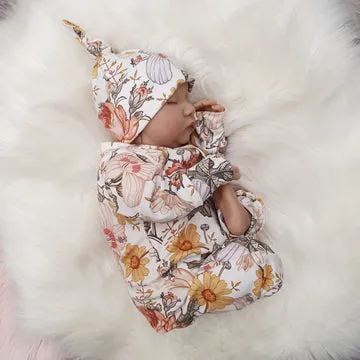
These are a few Lottie & Lysh pieces that naturally fit this topic because they are designed for comfort, movement and real-life wear.


Why OEKO TEX baby clothes can feel reassuring
One thing more parents are starting to look for is OEKO TEX certified baby clothes, especially when shopping for newborns, premature babies, or children with sensitive skin.
OEKO TEX STANDARD 100 is a textile testing standard for harmful substances. It does not mean a fabric is automatically organic, and it does not mean every certified fabric will feel identical, but it does offer useful reassurance about what has been tested before that fabric reaches your baby’s skin.
You can read more about the certification directly from OEKO TEX here.

What about baby eczema and sensitive skin?
If your baby has eczema, very dry skin, or regular irritation, clothing may only be one part of the puzzle. Detergent, heat, sweat, skincare products and environmental triggers can all play a role too.
That said, clothing is one of the things touching your baby’s skin for the longest stretches of time, so it makes sense to choose fabrics that feel soft, breathable and gentle. The Cleveland Clinic has a helpful guide to baby eczema if you want more medical context.
And, as always, if your baby’s skin is sore, cracked, weeping, infected-looking, or you are worried, it is best to speak to a healthcare professional. Fabric choice can help with comfort, but it is not a substitute for proper medical advice.
Why handmade baby clothes often feel different
This is something that can be difficult to explain until you have physically compared garments side by side.
Small handmade brands often choose fabrics very differently to mass-market retailers because they are buying with completely different priorities. At Lottie & Lysh, fabrics are chosen for softness, stretch, washability, comfort, durability and real-life wear. Not just because they look good in a product photo.
And because everything is handmade in Cornwall in smaller batches, there is much more awareness of what the fabric actually feels like in the hand. We cut it. We sew it. We see how it behaves. We know which fabrics make beautiful rompers, which work best for sleepsuits, and which ones are better suited to leggings or dungarees.
That closeness matters. It is not some huge anonymous production line where fabric disappears into a system and comes out as thousands of identical garments. It is much more hands-on than that.

Explore the fabric gallery
If you like choosing by print, texture and personality, the fabric gallery is a lovely place to start. It lets you browse the fabrics available for made-to-order pieces, so you can find something that feels very you.
View the fabric galleryWhat should parents look for in soft baby clothes?
If you are trying to avoid rough or uncomfortable baby clothes, these are the things worth paying attention to:
- fabric composition
- whether the fabric is OEKO TEX certified
- how the inside of the garment feels, not just the outside
- seam placement and bulk
- stretch and flexibility
- breathability
- whether reviews mention softness after washing
- whether the brand explains its fabric choices clearly
And trust your hands a bit. If something feels stiff, plasticky or unpleasant to you, there is a decent chance your baby will not love wearing it either.
Softness is not the only thing that matters
The slightly annoying truth is that softness alone is not enough.
The softest baby outfit in the world is not much use if it twists in the wash, loses shape after two wears, overheats your baby, or feels lovely for one day and bobbly by the next week.
The best baby clothes usually balance softness with breathability, stretch, durability and washability. Because baby clothes are not decorative. They are lived in. Spilled on. Crawled in. Scrunched into car seats. Washed again and again and again.
That is where good fabric choices quietly do a lot of work.
More soft, expressive favourites
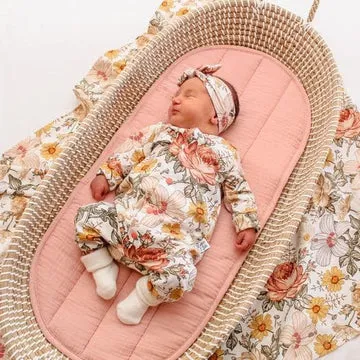
For parents who want comfort without everything looking beige and identical, these pieces keep the softness while still feeling full of character.


A quick baby clothes fabric guide
If you are trying to make sense of fabric labels, here is the simple version.
Cotton jersey
Soft, stretchy and usually comfortable for everyday baby clothes. A good choice for rompers, sleepsuits and leggings when the fabric quality is good.
Ribbed cotton fabrics
Often soft and flexible, with a bit more texture. Lovely for layering pieces, but quality makes a big difference.
Polyester blends
Can be durable and useful in some clothing, but may feel less breathable or more synthetic against delicate skin depending on the blend and finish.
Printed fabrics
Not all prints feel the same. Some are soft and flexible. Others can feel stiff, especially if the print sits heavily on top of the fabric.
Certified fabrics
Certifications like OEKO TEX can offer reassurance that the fabric has been tested for harmful substances, which is especially useful for baby clothing.

Related reading
If you’re in that nesting, researching, trying-to-get-it-right stage, these guides might help too:
FAQ: Scratchy baby clothes and soft fabrics
Why are some baby clothes scratchy?
Some baby clothes feel scratchy because of lower-quality fibres, stiff fabric finishes, synthetic blends, bulky seams, labels, embroidery backing, or heavy printed designs. It is often a mix of fabric choice and manufacturing process.
What is the best fabric for baby sensitive skin?
Soft cotton jersey, breathable natural fibres, flexible knits and OEKO TEX certified fabrics are often good choices for babies with sensitive skin. The best option can still vary depending on the baby, especially if eczema or allergies are involved.
Are OEKO TEX baby clothes safer?
OEKO TEX STANDARD 100 means the textile has been tested for harmful substances. It does not mean the fabric is organic, but it can offer useful reassurance when choosing clothes that sit directly against baby skin.
Can baby clothes become softer after washing?
Yes, some baby clothes soften after washing as excess finishing agents are removed. Others may become rougher if the fabric quality is poor or the fibres break down quickly.
Should I avoid synthetic fabrics for babies?
Not always, but it is worth being mindful. Some synthetic blends can feel less breathable or more clammy against baby skin, especially during sleep or warmer weather.














0 comments