

Can Babies Wear Rompers Day and Night? Why We're Big Fans of the Popper Romper
November 09 2026 – Lottie & Lysh


I've never really understood why we spend so much time dressing babies in one outfit for the day, only to take it all off again the moment they're ready for a nap. Particularly when they've finally fallen asleep and you're faced with the impossible decision of whether to wake them up or risk leaving them in something that wasn't particularly comfortable in the first place.
When my boys were little, I was a huge fan of rompers and babygrows. I had loads of them. Not because I couldn't resist buying baby clothes (although that was definitely part of it), but because they were genuinely some of the easiest, most comfortable things I could dress them in.
Both of my boys had eczema, and that changed how I looked at children's clothing quite dramatically. Jeans, stiff waistbands and some of the more structured outfits available at the time could rub against already sore skin. I wanted clothes they could crawl around in, curl up in, sleep in and generally get on with being little without constantly needing to be changed.
And I didn't want them looking like they were permanently wearing their pyjamas either. I loved bright prints, interesting patterns and clothes with a bit of personality. A funky romper with a little jacket and a pair of trainers was, and still is, one of my favourite looks on a toddler.
After more than a decade of making baby and children's clothing at Lottie & Lysh, I feel even more strongly about it. Good children's clothes should fit around their day, not the other way round.
Can Babies Sleep in Rompers?
Yes, babies can sleep in suitable rompers, provided the garment fits properly, is appropriate for sleeping and is suitable for the temperature and sleep environment. Not every garment sold as a romper is designed for sleep, though, so it's important to check the individual design rather than assuming all rompers are interchangeable with sleepsuits.
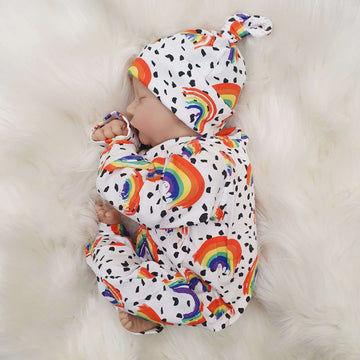
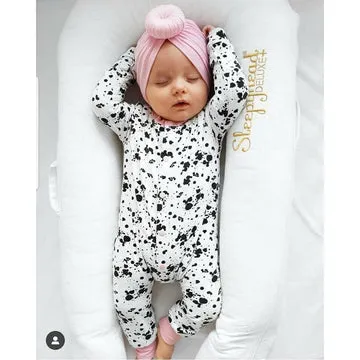
Our soft, footless popper rompers are designed to be comfortable for everyday wear, including those moments when playtime turns into nap time. There's no stiff waistband digging into their tummy, no need to squeeze them into a separate pair of trousers and no complicated outfit to wrestle them out of.
For me, that was always the appeal. If one of my boys fell asleep after a morning of playing, I didn't want to start stripping off layers and changing clothes unless I actually needed to. A comfortable base outfit made those transitions much easier.
Why Soft, Breathable Fabrics Make Such a Difference
One of the things I've become quite particular about over the years is fabric. When you're making clothes for babies, especially babies with sensitive skin, you start noticing things that might not seem particularly important when you're looking at an outfit on a hanger.
How does the fabric feel when it's stretched? Does it move easily? Will it feel comfortable when a child is sitting with their knees tucked up, crawling across the floor or lying down for a nap? And will it still feel lovely after it's been washed for what feels like the fourteenth time that week?
At Lottie & Lysh, we use soft cotton jersey with a little elastane in many of our rompers. The cotton makes for a breathable, comfortable fabric, while the stretch allows the garment to move with the child rather than against them.
For my boys, whose eczema could make even ordinary clothing uncomfortable at times, that flexibility was particularly important. I found that softer, less structured outfits were often much easier for them to wear than the little jeans and stiff trousers I'd bought because they looked cute.
That's my experience as a mum rather than a claim that a particular fabric can treat eczema. Every child's skin is different. But it absolutely influenced the way I approached designing children's clothing, and it's something I still think about when we're making garments in our Cornwall studio.
Popper Rompers: Less Fuss, More Actual Living
There's a reason we've continued making popper rompers for so many years. They're wonderfully uncomplicated.
The popper opening makes nappy changes straightforward, particularly when you're dealing with a wriggly baby who has suddenly decided that lying still is an unreasonable request. You don't need to remove an entire outfit just to change a nappy, and there's no separate waistband or pair of trousers to put back on afterwards.
I also like the simplicity of the design. No chunky zips running down the front, no cords or dangling ties, and no unnecessary decorative bits that don't really serve a purpose. Just soft fabric, comfortable shaping and practical fastenings.
Of course, poppers are still fastenings, and like any baby garment they should be securely attached and checked regularly for wear. But keeping the design simple means there is less to get in the way of everyday comfort.
When you're changing nappies several times a day, carrying a sleepy baby from one room to another or trying to get everyone out of the house before lunchtime, the fewer unnecessary complications the better.
From Morning Playtime to Afternoon Naps
One of the biggest benefits of a comfortable popper romper is that it doesn't have to be assigned to one particular part of the day.
A baby might spend the morning rolling around on a playmat, have a feed, fall asleep, wake up, have another nappy change and then head out in the pram. There's no reason every one of those activities needs a different outfit.
And as babies become toddlers, the practical side becomes even more obvious. They're climbing, crouching, crawling under furniture, sitting cross-legged, running and generally putting their clothes through far more than most adults manage in a week.
A soft, stretchy romper allows plenty of freedom to move without stiff waistbands or structured fabric restricting them. The all-in-one design also means there's no separate top constantly riding up when they're playing.
When nap time comes around, you can remove any outdoor layers and accessories, check they're dressed appropriately for the sleep environment and settle them down without necessarily needing a complete outfit change.
That doesn't mean never changing your baby's clothes. Wet, dirty, uncomfortable or unsuitable garments obviously need changing. It simply means an outfit that works for both activities can save a surprising amount of unnecessary faffing.
But Aren't Rompers Just Another Type of Pyjamas?
This is where I think children's clothing has become a bit unnecessarily complicated.
Somewhere along the line, we seem to have decided that babies need a daytime wardrobe and a separate sleeping wardrobe, even when the actual difference between the garments is sometimes very little.
I completely understand wanting your little one to look lovely when you're out and about. I was exactly the same. But I never saw why that meant putting my boys into stiff little jeans when they were perfectly happy in their colourful rompers.
And honestly, once you add an oversized cardigan, a denim jacket or a pair of cool little trainers, a romper looks nothing like traditional nightwear.
It's one of the reasons our prints have always been such an important part of Lottie & Lysh. I wanted clothes that were comfortable enough to sleep in, but interesting enough to wear everywhere else.
How to Style a Popper Romper as a Daytime Outfit
This is probably my favourite part, because a popper romper is such a good starting point for a proper little outfit. You don't need to add much. A jacket, some footwear for children who are walking, perhaps a hat for outdoors, and suddenly you've got something that looks completely different from a traditional sleepsuit.
Here are three looks that show exactly what I mean.

Geo Stags: A Little Bit of Street Style

English Blue: Beach Walks and Cosy Knits

Aztec Lion: The Mini Bomber Jacket Look
All three looks have something in common. They're built around one comfortable garment rather than lots of separate pieces, and the styling can change depending on the weather, the occasion or simply what you fancy putting on them that morning.
For younger babies who aren't walking yet, there's no need for proper shoes. Socks or soft booties for warmth when appropriate are plenty. And remember, jackets, hats, footwear and other outdoor accessories should always come off before sleep.
Why I Still Love Rompers for Toddlers
People sometimes think rompers are something babies grow out of once they're walking, but I've never really agreed with that.
If anything, toddlers are the ones who need clothes that can keep up with them the most. They're bending, stretching, climbing, dancing, running and doing that peculiar toddler squat where they appear to have joints the rest of us lost years ago.
Comfortable all-in-one outfits make just as much sense at two or three years old as they do at six months. Perhaps more so, when you consider how active they are.
And when they still have an afternoon nap, having something comfortable enough to settle down in without a complete wardrobe change is a lovely bonus.
That's why we've never felt the need to treat popper rompers as exclusively newborn clothing. We make clothing for real children doing real things, and there isn't a particular birthday when soft fabric and freedom of movement suddenly stop being important.
Do Babies Really Need Separate Daytime and Night-Time Clothes?
Not necessarily. What matters more is whether the clothing is appropriate for the activity, fits properly and keeps your baby comfortable without making them too hot or too cold.
There are perfectly good reasons to change a baby into different sleepwear. Some daytime outfits have bulky fastenings, decorative features, hoods or layers that shouldn't be worn for sleep. A baby might also need a lighter or warmer outfit depending on the room temperature.
But if they're already wearing a suitable, comfortable romper, there's no automatic need to change it simply because the clock says it's bedtime.
For me, that's one of the nicest things about having versatile baby clothes. You can spend less time worrying about outfits and a little more time getting on with the day.
Fewer Outfits, More Wear
There's another benefit to clothes that work across different parts of the day. You don't necessarily need quite so many of them.
Of course, babies are remarkably talented at getting through clean clothes. Between milk, food, dribbles, nappies and the occasional mystery stain, you'll always need spares.
But buying garments that can be worn for playing, outings and suitable sleep situations means each piece has more opportunities to be worn. Rather than keeping certain outfits for best and others purely for indoors, you can actually enjoy the clothes you've bought.
It's something we think about when making our garments. We want them to be worn, washed, worn again and passed along when they've finally been outgrown. Not saved in a drawer because they're too impractical for everyday life.
And as somebody who has spent years cutting, sewing and working with fabric, I know how much goes into making a single garment. It makes sense to get as much useful wear out of it as possible.
What Should You Look for in a Good Baby Romper?
After making children's clothes for over a decade, and dressing two boys with sensitive skin, these are the things I'd personally pay attention to.
- Soft, breathable fabric. Cotton-rich jersey is a lovely everyday option, particularly when it has enough stretch to move comfortably.
- Room to move. A romper should allow babies to kick, crawl, sit and stretch without pulling tightly across their body.
- Practical openings. Popper fastenings can make nappy changes easier without removing the whole garment.
- No unnecessary extras. Avoid loose cords, dangling decorations and features that could become uncomfortable or hazardous.
- Comfortable seams and fit. Pay attention to areas that sit against the skin, especially if your child is prone to irritation.
- Easy care. Baby clothes need to survive regular washing. There's not much point in a lovely everyday outfit that requires a complicated laundry routine.
- Versatility. Can it be worn on its own, layered with a cardigan or jacket and, where suitable, worn comfortably for sleep?
For us, those are the things that matter far more than whether a garment has been labelled as daywear or nightwear.
Frequently Asked Questions About Baby Rompers
Can a baby sleep in a popper romper?
Can babies wear rompers during the day?
Do babies need changing into pyjamas for naps?
Are footless rompers suitable for sleeping?
Are popper rompers good for babies with eczema?
How do you style a baby romper without it looking like pyjamas?
Why We've Always Been a Little Bit Romper Obsessed
When I think back to dressing my boys, I don't remember wishing I'd put them in more complicated outfits. I remember wanting them to be comfortable, especially when their skin was sore, and loving how much personality a colourful print could bring to something so simple.
That's still what I love about making popper rompers today. They don't need to be fancy or fussy. They just need to feel lovely, fit well, stand up to everyday life and look like something you'd actually be excited to dress your little one in.
From first cuddles to crawling, beach walks, nursery runs and those unexpected afternoon naps, a good romper can be part of an awful lot of childhood.















0 comments