What New Parents Wish They Knew Before Buying Baby Clothes
May 07 2025 – Lottie & Lysh


Buying baby clothes sounds simple until real life starts. Suddenly you are dressing a tiny human at 3am, trying to work out which outfits actually feel soft, wash well, fit properly and somehow make life easier instead of harder.

There is something very lovely about buying baby clothes before your baby arrives.
It feels hopeful. Tiny. A bit emotional.
You fold little sleepsuits into drawers and imagine this calm, organised version of newborn life where everything matches beautifully and your baby wears exactly what you planned.
Then the baby arrives.
And suddenly the question is not really “is this the cutest outfit?”
It becomes:
Can I get this on them while they are wriggling?
Will it still feel soft at 2am?
Can I change a nappy without taking the entire outfit apart?
Will this survive milk, dribble, leaking nappies and endless washing?
That is the bit nobody really explains beforehand.
The baby clothes you end up loving most are rarely the ones you expected. They are usually the soft ones. The easy ones. The pieces you pull straight from the clean laundry pile because they simply work.
Start with the clothes that make real life easier
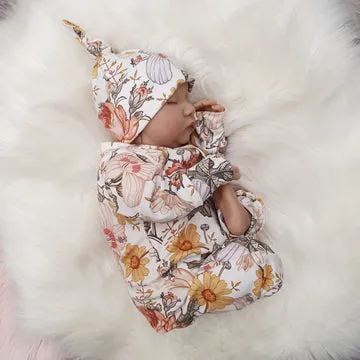
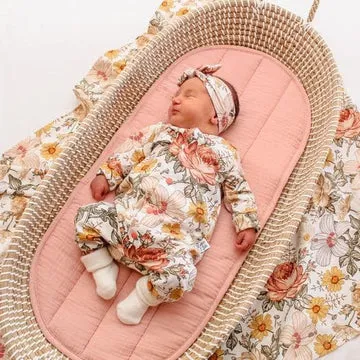
Soft newborn outfits, practical rompers, cosy layers and wearable everyday baby clothes designed for actual family life, not just one perfect photograph.
You probably do not need as many newborn clothes as you think
It is very easy to overbuy before your baby arrives.
Partly because everything is tiny and emotional. Partly because every online checklist makes it sound like you need an entire miniature wardrobe system before you can safely bring a baby home.
But newborns grow unpredictably. Some babies wear newborn size for weeks. Others skip through it almost immediately.
A smaller collection of genuinely useful clothes is often far better than drawers full of outfits that never quite get worn.
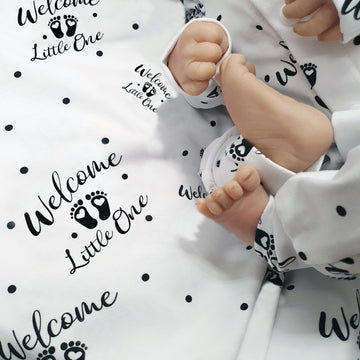
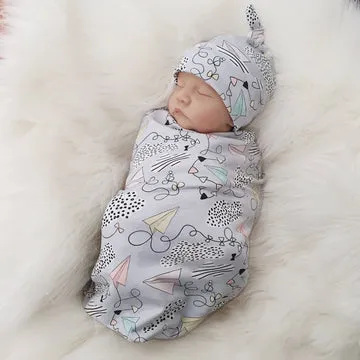
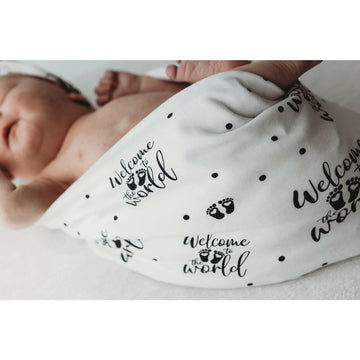
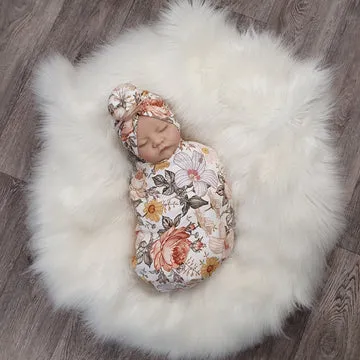
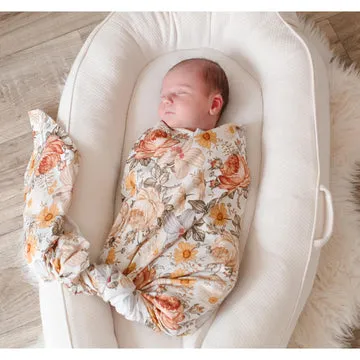
Soft babygrows. Stretchy rompers. A few easy layers. A warm outer layer. A swaddle blanket you accidentally end up using for everything.
Those are usually the pieces that become part of everyday life.
If you are unsure what sizes to buy, this newborn baby clothes size guide helps explain how quickly sizing can vary between babies.
Nobody really remembers whether a baby owned fifteen outfits or fifty. They remember the pieces that became part of everyday life.
Why softness matters more than fancy outfits
Soft baby clothes are not just a nice extra. They completely change how wearable an outfit feels once your baby is actually living in it.
Newborns spend most of their time sleeping, feeding, being cuddled or curled up against someone’s chest. Their clothes are pressed against delicate skin constantly.
So if something already feels stiff, scratchy or bulky in your hand, there is a good chance it will quietly end up at the back of the drawer.
At Lottie & Lysh, most of our everyday baby clothes are made using soft cotton blend fabrics with a small amount of elastane for stretch. That slight stretch makes a bigger difference than people realise because it allows babies to move comfortably rather than feeling restricted inside stiff clothing.
It is also one reason soft baby rompers and stretchy babygrows tend to become the pieces parents keep reaching for.
If you want a deeper explanation of why some fabrics feel soft and others feel oddly rough after washing, this guide on why some baby clothes feel scratchy explains more.

Why cheap baby clothes sometimes feel uncomfortable after washing
This is something people often only notice after the first few washes.
Some baby clothes lose softness surprisingly quickly. The fabric becomes stiff. Seams feel rougher. The stretch disappears. The shape twists slightly after washing.
Usually that comes down to fabric quality, fibre composition and how the garment was produced in the first place.
Very fast-produced clothing can sometimes prioritise appearance over long-term wearability. It looks lovely initially, but the softness and comfort do not always last.
Good baby clothes should still feel comfortable after repeated washing because realistically, newborn clothes get washed constantly.
The sleepsuit that survives endless washing without turning stiff or misshapen usually becomes the one that keeps getting worn.
This is where quality over quantity starts to make more sense, if your budget allows it. Not because anyone needs a huge wardrobe of expensive baby clothes, but because a few reliable pieces often do more than drawers full of outfits that never quite work.
The outfits that survive endless washing, stay soft, stretch properly and still feel comfortable weeks later usually become the ones parents reach for again and again.
This is also one reason many parents slowly start moving towards smaller brands and more ethical baby clothes once they realise how heavily newborn clothing actually gets used in real life.
It is cost per wear, but in a very ordinary family-life way. The romper that survives countless washes. The babygrow that somehow always ends up back on. The piece that gets passed down, packed away or saved because it became attached to a memory.
The difference between clothes that photograph well and clothes that actually work
Some baby clothes look beautiful laid flat.
Then you try to put them on an actual baby.
The fabric has no give. The buttons are awkward. The neckline feels tight. The outfit looks lovely for five minutes but nobody reaches for it again on a normal Tuesday.
That does not mean baby clothes cannot still feel special.
Of course they can.
The coming home outfit, the first photo you send family, the little outfit they wear to meet grandparents. Those moments matter.
But the best newborn outfits are the ones that manage both. Soft enough for naps and feeds. Comfortable enough for real life. Still lovely enough to become part of the memories.
The baby clothes parents actually keep reaching for
- the sleepsuit that somehow survives endless washing
- the romper that works for naps, cuddles and visitors
- the outfit that still feels soft at 2am
- the stretchy leggings that go straight back on after washing
- the blanket that somehow ends up everywhere with you
- the clothes babies can actually wriggle, stretch and nap in comfortably
Why stretch, zips and easy changes matter at 3am
There is daytime baby dressing, and then there is 3am baby dressing.
They are not the same thing.
At 3am, you do not care whether something looked beautifully styled on Instagram. You care whether you can change a nappy quickly while half awake.
This is where soft sleepsuits, stretchy fabrics and easy fastenings quietly become the heroes of your baby’s wardrobe.
Good newborn clothing should allow movement. It should feel forgiving. It should not turn dressing your baby into a complicated task when everyone is exhausted.
Simple things suddenly matter a lot:
- soft fabric with stretch
- comfortable cuffs
- easy openings
- room around nappies
- clothes that wash and dry well
- pieces that still feel soft after repeated washing
That is why practical everyday baby clothes tend to become favourites very quickly.

Practical does not have to mean plain
This is probably one of the biggest misconceptions around practical baby clothes.
Somewhere along the way, practical became associated with plain beige basics and nothing else.
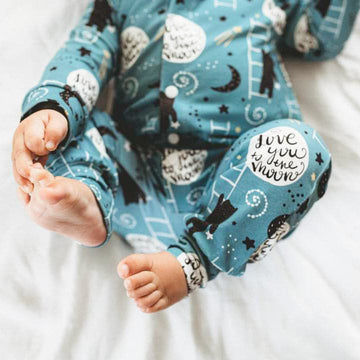
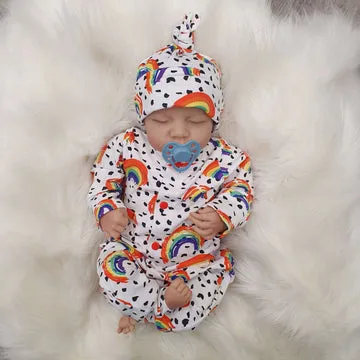
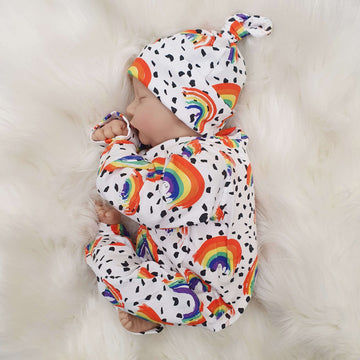
But practical clothing can still have colour, personality and warmth. A soft romper can still feel expressive. A cosy jacket can still become the piece everybody remembers.
Parents often want baby clothes that feel connected to their own family style. Not generic. Not overly polished. Just comfortable, wearable clothing that still feels like them.
That is one reason our alternative baby clothes collection resonates with so many families looking for something softer, more practical and more personality-filled at the same time.
Choosing baby clothes that grow with your baby
Babies grow strangely fast.
One week something fits beautifully. The next week you are staring at cuffs wondering how they suddenly became too short overnight.
That is why stretch fabrics, relaxed cuts and practical layering matter so much. Clothes that adapt slightly as babies grow tend to get far more wear.
It also helps reduce waste, which matters when you realise how quickly newborn clothing can pile up.
For older babies and toddlers, the same principle still applies. Soft, movement-friendly toddler clothing almost always gets more wear than anything stiff or restrictive.
The goal is not to buy everything before your baby arrives. It is to choose a few soft, reliable pieces that make those first weeks feel calmer and easier.
Final thoughts
New parents are given endless advice about baby clothes. Some of it useful. Some of it slightly overwhelming.
You do not need fifty outfits.
You need soft clothes that feel comfortable against your baby’s skin. Pieces that wash well. Layers that make sense. Clothes that are easy to change when everyone is tired.
And maybe a few pieces that feel emotionally special too, because those early weeks matter.
The best baby clothes are usually the ones that quietly become part of everyday life.
The sleepsuit always in the wash. The romper in every photo. The blanket you carry everywhere. The tiny outfit you keep long after it stops fitting because it reminds you of those strange, beautiful first weeks.
That is what is worth buying.
FAQ: Buying Baby Clothes For Newborns
What should new parents know before buying baby clothes?
New parents should focus on softness, comfort, easy changes and practicality rather than buying large amounts of clothing. The outfits that get worn most are usually soft, washable and comfortable for everyday life.
How many newborn clothes do I really need?
You usually need fewer newborn clothes than you think. A small collection of practical babygrows, rompers, swaddles and easy layers is often more useful than buying too many outfits before your baby arrives.
Why do some baby clothes feel rough after washing?
Fabric quality, fibre composition and construction all affect softness after washing. Lower quality fabrics can become stiff or lose softness more quickly after repeated washing.
Are rompers practical for newborns?
Yes. Soft baby rompers are practical because they allow movement, feel comfortable against delicate skin and work as easy everyday outfits without needing lots of separate pieces.
Should I buy newborn size or 0-3 months?
It depends on your baby’s birth size and growth. Some babies wear newborn size for several weeks, while others move into 0-3 months almost immediately. Buying smaller amounts in each size usually works best.
Do practical baby clothes have to be plain?
No. Practical baby clothes can still feel expressive, colourful and full of personality. Comfortable clothing does not have to mean boring clothing.














0 comments