Why Supporting Small Businesses Matters More Than Ever
September 17 2025 – Lottie & Lysh


Something has shifted in the way parents shop for baby clothes.
For a long time, cheaper and faster felt like the obvious answer. Babies grow quickly, toddlers ruin knees, snack stains happen five minutes after getting dressed. I get it. But more and more parents are starting to question whether fast fashion baby clothes are always the bargain they seem to be.
Because when something is very cheap, arrives almost instantly, and looks suspiciously like everything else online, it does make you pause a little. Who made it? What is it made from? Will it last? Will it still feel soft after a few washes? And do we actually need quite so much of it?
At Lottie & Lysh, we have lived every part of what it means to make children’s clothes slowly. The fabric choices, the cutting, the sewing, the packing, the little messages from parents who tell us a piece has been worn again and again. We are not a huge brand pretending to be handmade. We are a tiny business making ethical baby clothes and children’s clothing in Cornwall, one order at a time.
This post is not about making anyone feel bad for buying what they can afford. Parenting is expensive enough without adding guilt into the mix. It is more about the quiet shift many parents are feeling now. The move towards buying less, choosing better, and looking for clothes that feel personal, safe, soft, and actually worth keeping.

Every L&L piece is made in house, by real people, in our Cornwall studio.
Why Parents Are Questioning Fast Fashion Baby Clothes
Fast fashion is everywhere. It promises more for less, delivered quickly, often in endless variations of the same styles. And when you are shopping for babies or toddlers, that can feel tempting. They grow fast. They get messy. Sometimes you just need something that works.
But parents are becoming more aware of the hidden cost behind constantly buying cheap baby clothes. Not always in a dramatic way. More in that quiet, everyday way where you realise the clothes do not wash well, the fabric feels rougher than expected, or the outfit you bought for one occasion never really gets worn again.
There are also bigger concerns around waste, overproduction, fabric quality and transparency. When children’s clothing is made in huge volumes and sold for very little, it is fair to wonder where corners may have been cut. That does not mean every affordable item is bad, of course. But it does mean parents are asking better questions.
What is this made from? Who made it? Is it comfortable? Will it last? Could it be passed down? Does it feel like something chosen with care, or just another thing added to the basket because it was cheap?
Those questions matter. Especially when the clothes are worn by babies and young children, close to delicate skin, through naps, crawling, messy play, car seats, cuddles and everything in between.
The Emotional Shift Towards Buying Less But Better
There is something different about baby clothes that last.
They stop being just clothes. They become the coming home outfit. The romper from the first holiday. The little leggings worn until the knees were almost giving up. The babygrow that somehow makes its way into the memory box because you cannot quite bring yourself to part with it.
That is the bit fast fashion often misses. Baby clothes are practical, yes, but they are emotional too. Parents are not just buying fabric. They are choosing what their baby will wear in photos, in first moments, in the tiny ordinary days that somehow become the ones you remember most.
This is why sustainable baby clothes and handmade baby clothes are becoming more appealing to many families. It is not about having endless options. It is about choosing pieces with a little more thought behind them. Clothes that feel soft, wash well, hold their shape, and still feel special when they are passed down to another baby.
Buying less but better does not have to mean buying perfectly. It just means pausing before the impulse buy and asking whether something will really be worn, loved and used.

Why Handmade and Ethical Baby Clothes Feel Different
Handmade baby clothes feel different because the process behind them is different.
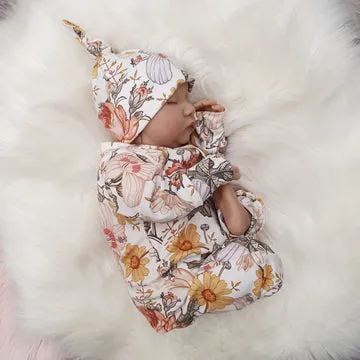
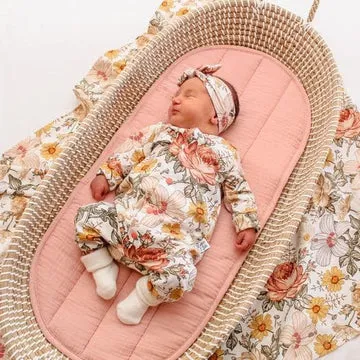
At Lottie & Lysh, our pieces are not made in huge anonymous batches. They are cut, sewn, checked and packed here in Cornwall. You can see the studio. You can see the fabrics. You can ask questions. You can watch little scraps become matching hats or accessories instead of being thrown away.
That kind of transparency matters. Especially now, when so much online shopping feels strangely disconnected from real people.
Ethical baby clothing is not just about looking nice. It is about comfort, fabric quality, thoughtful production and clothes that are made with real wear in mind. Babywear has to cope with a lot. Milk, naps, crawling, car seats, nursery bags, sibling hand-me-downs, endless washing. It needs to be soft, but it also needs to hold up.
That is why our collections are designed around real life. From everyday baby clothes and toddler clothes to statement pieces like our Bonnie Bunny Jackets, the aim is always the same: make something children can actually wear, love and move in.
A little look behind the scenes at how things really come together.
What Parents Are Looking For In 2026
Parents are not all looking for the same thing, of course. Some want calm neutrals. Some want bold prints. Some want practical basics. Some want clothes that look nothing like what everyone else is buying.
But the common thread is intention.
More parents are looking for sustainable baby clothing that feels safe, soft and considered. They want pieces that reflect their own values, whether that means shopping small, choosing handmade children’s clothing, avoiding overconsumption, or simply buying fewer pieces that feel more special.
There is also a growing appetite for individuality. So much of children’s clothing has started to look identical online. The same beige sets. The same prints. The same mass-produced styles repeated across marketplace after marketplace. It makes sense that parents are craving something with a bit more personality.
That is where collections like our alternative baby clothes come in. Not because every baby needs to look edgy or different, but because parents want choice. They want to dress their children in something that feels like them.
A few slow fashion favourites
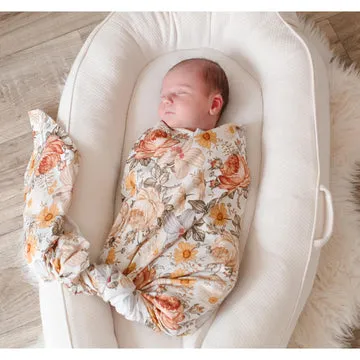
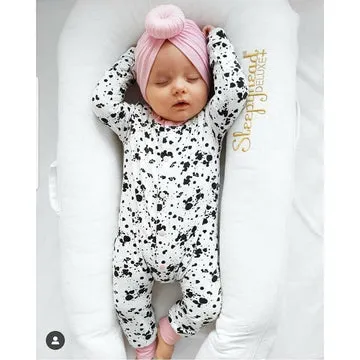
Pieces chosen for comfort, personality and proper everyday wear. Not throwaway outfits. The kind that get worn, washed, remembered and passed on.


How To Spot Genuine Ethical Baby Clothing Brands
It can be hard to tell what is genuinely ethical now. So many brands use similar words. Sustainable. Conscious. Small batch. Handmade style. It all starts to blur.
So rather than looking for perfect marketing language, look for proof.
- Do they show where their products are made?
- Are they clear about whether items are handmade, outsourced or mass-produced?
- Do they talk honestly about fabric choices?
- Is the pricing realistic for the amount of work involved?
- Do they make to order or produce in limited batches?
- Do they show real customers, real products and real behind-the-scenes content?
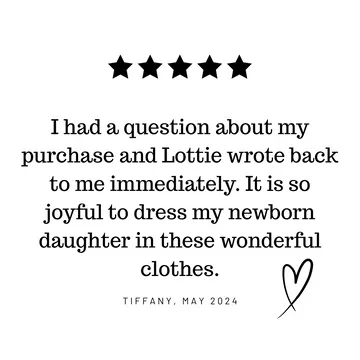
- Can you contact an actual person if you need help?
Ethical baby clothes do not have to come with perfect branding or glossy campaigns. In fact, some of the most genuinely ethical brands are the slightly imperfect ones. The ones showing the cutting table, the sewing machine, the parcels, the fabric offcuts, the real life behind the product.
Transparency is not always polished. Sometimes it is a quick photo from the studio floor. A fabric delivery update. A note about turnaround times. A small business owner explaining why something takes a little longer because it is being made properly.

Is Sustainable Baby Clothing More Expensive?
Sometimes, yes. And it would be dishonest to pretend otherwise.
Sustainable baby clothing and handmade baby clothes often cost more than mass-produced alternatives because the pricing reflects more of the true process. The fabric, the labour, the time, the skill, the slower production, the small scale. There is no giant factory run, no huge warehouse, no race to the bottom.
But price is only one part of value.
If a romper is worn weekly, washed again and again, passed to a sibling or sold on afterwards, the cost per wear starts to look very different. A cheaper item that loses shape quickly, feels uncomfortable, or is only worn once may not be the better buy in the long run.
This is not about telling families they must spend more. It is about helping parents think differently. Sometimes buying one really good outfit that gets worn constantly is better than buying five that barely leave the drawer.
And perhaps this is where the slow fashion conversation becomes most realistic. It does not have to be all or nothing. You can still buy basics where you need to. You can still work within your budget. But for the pieces that matter, the ones you want to last, photograph, keep, gift or pass down, it can be worth choosing more carefully.
Why Supporting Small Businesses Still Matters
Supporting small businesses still matters, but not in a guilt-trippy “please buy from us or we’ll disappear” kind of way. It matters because small businesses offer something different.
When you shop with an independent children’s clothing brand, your order is not just a number moving through a warehouse. It supports skilled work, family life, flexible employment, local production, creative risk and a more human kind of business.
At Lottie & Lysh, every order helps us keep making children’s clothes in the UK. It helps us keep choosing certified fabrics, reducing waste where we can, making to order, developing new prints, and proving that there is still space for small, ethical children’s clothing brands in a market dominated by mass production.
It also helps keep choice alive. Because if every parent buys from the same handful of huge retailers, children’s fashion becomes smaller, flatter and less interesting. Small businesses bring colour, personality, odd ideas, emotional connection and actual people back into the shopping experience.
That matters. Maybe more than ever.

Choosing Baby Clothes With More Thought
You do not have to overhaul everything overnight. Most parents are not sitting there building a perfect sustainable wardrobe with a spreadsheet and a moral mission statement. They are tired. Busy. Trying to find clothes that fit, wash well, feel soft and arrive when they need them.
But small choices do add up.
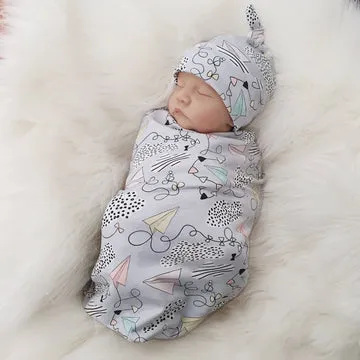
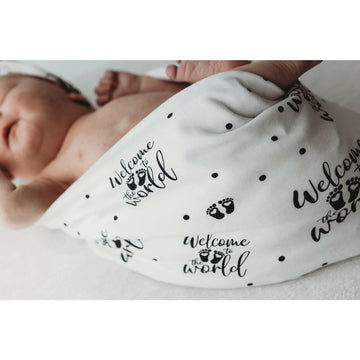
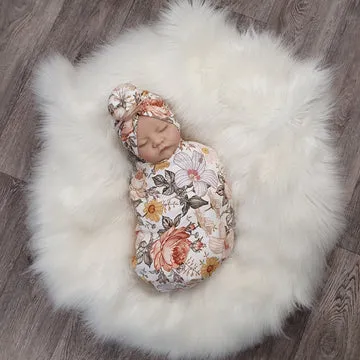
Choosing one handmade outfit for a coming home moment. Picking a better quality romper that can be worn all season. Buying a bunny jacket with cuffs that turn back so it lasts longer. Choosing a thoughtful baby gift instead of something generic. Looking for newborn outfits that feel beautiful but still practical.
None of that has to be perfect. It just has to be a little more considered.
And maybe that is the real shift happening now. Parents are not just buying more. They are asking what is worth buying in the first place.

Want to Explore Ethical Baby Clothes?
If you would like to see more of what we make, you can browse our baby clothes collection, explore our alternative baby clothes, or take a look at our toddler clothes for older little ones.
For something extra special, our Bonnie Bunny Jackets are designed with longer wear in mind, using turn back cuffs, roomy shapes and reversible details that help them last through changing seasons.
However you choose to shop, the main thing is this: baby clothes can be more than quick, cheap and disposable. They can be soft, useful, joyful, memorable and made with care.
And that feels like a better direction to move in.
Ethical Baby Clothes FAQs
Are ethical baby clothes worth it?
Ethical baby clothes can be worth it if you want pieces that are made with more care, better transparency and longer wear in mind. They often cost more than fast fashion, but they are usually designed to last longer, wash better and be worn again rather than treated as disposable.
What makes baby clothes sustainable?
Sustainable baby clothes are usually made with consideration for fabric choice, production methods, waste, durability and how long the item can realistically be used. Made to order production, small batch runs, certified fabrics and clothes designed to be passed down can all support a more sustainable approach.
Why are parents moving away from fast fashion baby clothes?
Many parents are questioning fast fashion baby clothes because of concerns around quality, waste, overproduction, fabric feel and transparency. Babies and toddlers need clothes that are comfortable, practical and safe against delicate skin, so more families are looking for better made alternatives.
Are handmade baby clothes better quality?
Handmade baby clothes are not automatically better just because they are handmade, but small makers often have more control over fabric, fit, finishing and quality checks. At Lottie & Lysh, our clothing is made in house in Cornwall, which means we can check each piece carefully before it is packed.
How can you tell if baby clothes are ethically made?
Look for transparency. Ethical baby clothing brands should be clear about where items are made, what fabrics they use, whether they outsource production, how they manage waste and how realistic their pricing is. Behind-the-scenes content, real customer photos and clear production information are all useful signs.
Is sustainable baby clothing expensive?
Sustainable baby clothing can be more expensive upfront because it often reflects better fabrics, smaller production runs and fairer labour. But when an item is worn regularly, washed well, passed down or resold, the cost per wear can be much better than a cheaper item worn only once or twice.
Why do some parents avoid fast fashion baby clothes?
Some parents avoid fast fashion baby clothes because they want to reduce waste, choose better quality fabrics, avoid overbuying and support more transparent production. It is not about being perfect. It is about making more thoughtful choices where possible.














1 comment
So great having ethical choices
And knowing that people who are happy are at the centre of the ethos of your business