Tiny But Mighty: What to Look for in Premature Baby Clothes
June 12 2025 – Lottie & Lysh


Premature Baby Clothes: What to Look For When Your Baby Arrives Early
Buying your baby's first clothes is usually one of those lovely jobs you imagine doing at your own pace. But when a baby arrives early, that shopping list can suddenly look rather different. Newborn clothes may be far too big, and you might not even know yet when your baby will be ready to wear an outfit.
I'm Lottie, the mum behind Lottie & Lysh. We've spent around ten years making children's clothes by hand in Cornwall, including tiny sizes. I've dressed my own babies, although I'm not going to pretend that's the same experience as having a baby in neonatal care. What I can share is what I've learnt about fabric, fit, seams and fastenings from actually making the clothes, and the questions worth asking before you buy.
The short answer
Look for premature baby clothes that fit your baby's actual measurements, feel soft against their skin and are easy to put on without unnecessary pulling or fiddling. If your baby is in a neonatal unit, ask the team whether they can wear their own clothes yet and whether any particular openings or styles would be helpful. Some babies won't be ready for clothing straight away.
Explore our premature baby clothes →
1. Start with the fit, not just the size label
Premature babies don't all have the same proportions, and neither do premature clothing sizes. One brand's tiny baby size may be quite different from another's. A label saying 'premature' or 'under 5lb' is a starting point, not a guarantee of fit.
Look at the size chart and, where possible, your baby's length and measurements. You want enough room for comfortable movement without lots of spare fabric bunching around their body. If your baby is receiving care in hospital, check with the neonatal team before buying clothes to use on the ward.
Because we cut and sew our clothes ourselves, I know how much difference even a small change in body length or sleeve width can make at these sizes. It's one reason I always encourage parents to look beyond the age on the label.
2. Choose fabric that feels good, not just fabric that looks pretty
For a tiny baby, I would look for soft, smooth fabric, comfortable seams and a design without scratchy decorations. We use OEKO-TEX certified fabrics and inks in our own production, and we choose fabrics for comfort and stretch as well as appearance. OEKO-TEX testing concerns specified harmful substances; it isn't a promise that a fabric can never irritate sensitive skin.
When I'm making a romper, I pay attention to how the fabric behaves once it's sewn, not only how it feels on the roll. Does it have enough give? Does the seam sit comfortably? Will the garment still feel soft after washing? Those details matter more to me than fancy descriptions.
3. Think about how the outfit opens
Front-opening rompers can be easier to dress a small baby in than styles that have to be pulled over the head. Poppers can also make nappy changes straightforward, although the best fastening depends on the particular garment and your baby's needs.
For babies in neonatal care, it's especially important not to assume a design is suitable just because it has poppers or open feet. Monitoring wires, cannulas and other equipment may mean the team recommends a particular garment, or no clothing for the time being. Ask them first.
At home, practical fastenings still make a difference. Anyone who has tried to do up a row of tiny poppers with a sleepy baby in their arms knows that sometimes the simplest design is the one you reach for most.
4. Footed or footless? There's room for both
Footed styles keep little feet covered without separate socks. Footless styles give you the option of bare feet or socks, and there's no enclosed foot section to become short as your baby grows.
I loved footless outfits for my own boys as they grew, but for a very small baby, the right choice is about fit, warmth and any care requirements rather than one style being universally better.
For more on the differences, read our guide to footless sleepsuits.
5. What about hats, blankets and keeping warm?
Premature babies can need extra help maintaining their temperature, particularly in hospital. That's why I'd follow the neonatal team's advice rather than automatically adding a hat, blanket or extra layer. In some settings the team may use specialist methods of temperature control.
Once your baby is home, follow the individual guidance you've been given about clothing and safer sleep. Avoid overheating, and don't assume that more layers are always better. The Lullaby Trust's safer sleep advice is a useful general resource, alongside advice from your baby's healthcare team.
6. They can still be colourful, if that's what you love
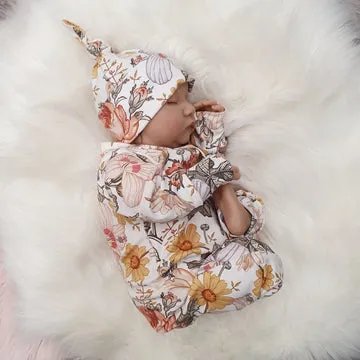
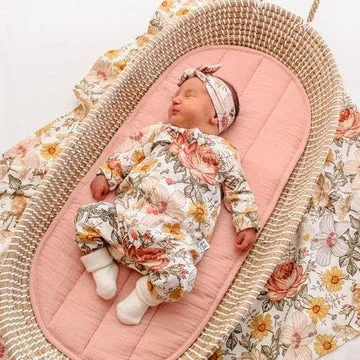
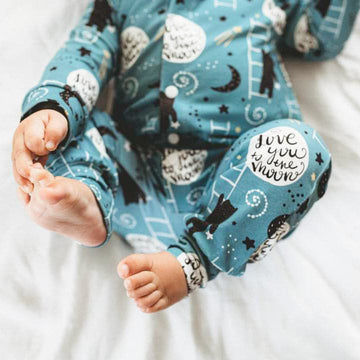
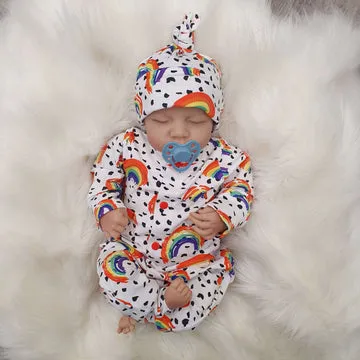
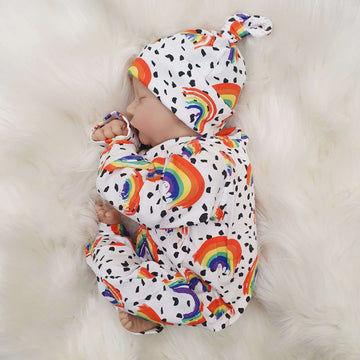
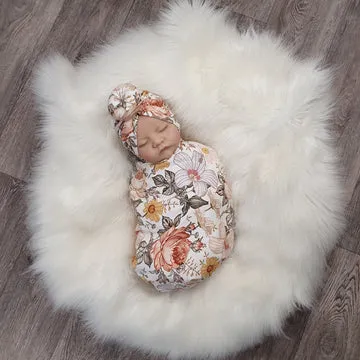
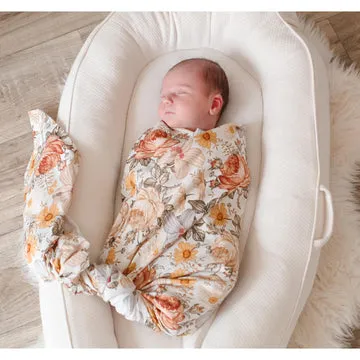
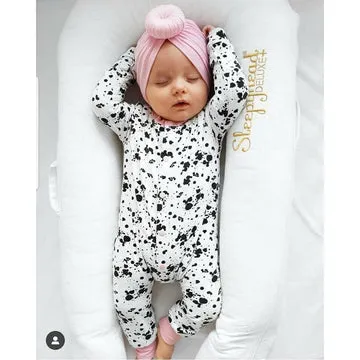
There is no rule that tiny baby clothes must be plain white or pale pink. Some parents want something quiet and simple; others want a print that feels completely like their family. I love that both are possible.
At Lottie & Lysh we've always believed childhood clothes should have personality. We make colourful, individual pieces in small batches, and we don't think being practical should mean being boring.
Over the years, one of the loveliest things has been seeing customers stay with us as their children grow. Some have come back later to choose clothes as gifts for a new baby in the family or among friends. That means a lot when you're a tiny business making everything yourselves.
Looking for something in a smaller size?
Our premature baby clothes collection is a good place to start. Check the measurements and individual product details, and if you're unsure whether a particular style or size would work, get in touch before ordering. We'll tell you what we can make rather than promise something that isn't suitable.
Premature baby clothes: common questions
What size clothes does a premature baby need?
It depends on the baby and the brand. Premature clothing is often labelled by weight, but length and proportions matter too. Check the actual garment measurements rather than assuming all premature sizes are the same.
Can premature babies wear their own clothes in NICU?
Sometimes, but not always. It depends on your baby's condition, their care and the neonatal unit's policies. Ask your baby's team when clothing is appropriate and whether any particular design is recommended.
What clothes are easiest to put on a premature baby?
Soft, appropriately sized clothes with straightforward openings can be practical. Front-opening designs may be easier than over-the-head styles, but any hospital equipment or medical needs should guide the choice.
Are footless rompers suitable for premature babies?
They may be, depending on the baby's size, temperature needs and circumstances. Footless designs are not automatically suitable for monitoring equipment or neonatal care, so check with the care team first.
Should I buy lots of premature baby clothes before birth?
If you're expecting an early arrival, it can help to have a couple of options ready, but I'd avoid buying a huge wardrobe before you know what size and type of clothing your baby needs. Hospital requirements and your baby's growth can change quickly.
Can I buy premature baby clothes as a gift?
Yes, but I'd check with the parents first. They may need a particular size or style, or they may prefer to wait until their baby is ready to wear clothes. A thoughtful gift doesn't have to be rushed.
A little note from Lottie: I know clothes aren't the most important thing when a baby arrives early. But choosing that first tiny outfit can still be a lovely moment, whenever the time is right. If we can help make it a little easier, that's enough for me.
Browse our handmade premature baby clothes or read our newborn baby clothes size guide.














0 comments